
Background:
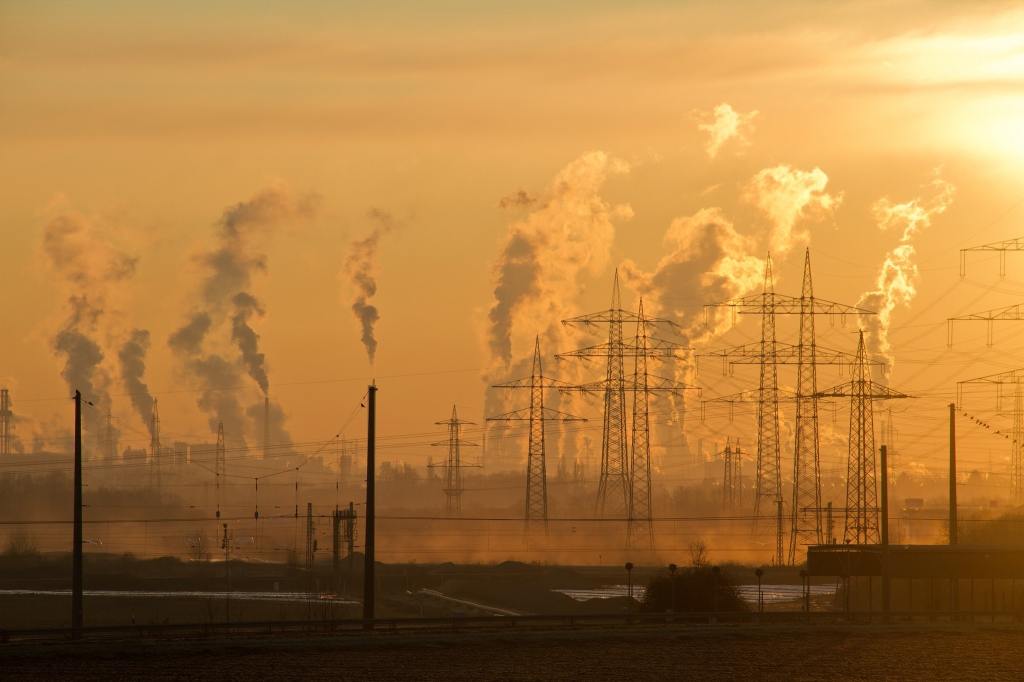
Since 1896, when Swedish scientist Svante Arrhenius predicted that the temperature of the Earth would rise due to the emission of CO2 gasses and the subsequent greenhouse effect, humans have been aware of the issue of climate change. Since the start of the Industrial Revolution, humans have pumped over 1.6 trillion tons of carbon dioxide into the atmosphere, and this has caused the Earth’s temperature to rise 1.9℉ since the year 1880. Currently, the Earth’s temperature is rising at a rate of .32℉ every year. If this pace continues, the Earth will begin to see catastrophic consequences that include rising sea levels, erratic climate, harsher storms, increased levels of flooding, increased amount of wildfires, and longer droughts. These effects will dramatically damage tens of millions of people worldwide, and rising sea levels have the chance to displace over 150 million people worldwide. However, solutions that are required to remedy this issue have been thoroughly debated over, including whether climate change exists, if humans caused climate change, how pressing the issue is, etc. This has made finding common ground and taking action on solutions very difficult. While most people in the United States believe that climate change is real (), some disagree with the notion that humans are the main cause. Skeptics of climate change are liable to go against regulatory actions due to the economic costs that it would take in order to limit the rise of the Earth’s temperature in the future. Others that are more environmentally conscious believe that it is important to begin implementing solutions to ease the effects of climate change and are more likely to vote for candidates who promote bills that can regulate large corporations whose pollutants accelerate the rise of Earth’s temperature. However, one thing is for sure. Climate change and the rising of Earth’s temperature is real and could be catastrophic. Climate change is a worldwide issue and a solution will require international cooperation to achieve enough success to outweigh the economic costs required to implement them. However, if enough is done to achieve that success, the human race will have a much better future and will be able to turn their heads to other problems in society. Now that climate change has been established as a real event taking place currently, the question becomes whether humans can come together and cooperate to solve this issue and what solution will have the largest impact on climate change. In this policy paper, we will look at what the United States government can do to limit the emissions that come from the country.
Objectives:
In this section, there will be three major objectives that have been outlined in order to combat climate change. These 3 are as following:
- Limiting emissions: In essence, the warming of the Earth has been caused by the emission of greenhouse gasses into the Earth’s atmosphere. This causes what is known as the greenhouse effect, which is explained as greenhouse gasses trapping heat from the sun in the atmosphere, causing the Earth to warm. Limiting the amount of greenhouse gasses that are emitted into the atmosphere will be essential in combating climate change. The United States has currently set
- Limiting economic cost: The power industry is one of the largest industries in the United States. It employs 7.8 million Americans and accounts for over three trillion dollars of America’s gross domestic product. Many promising solutions to limiting emissions in the United States start at the energy sector, who are most responsible for most of the United States’s emissions. However, fixing the energy sector must be done carefully to limit the economic cost and effects that climate change can have on the energy sector. Eliminating or straining large emitters, most in petroleum and coal energy plants, could subsequently strain the US economy and leave millions unemployed. There must be an effort to ease the energy sector away from these large emitters and to more sustainable sources of energy. These sustainable sources include wind, solar, nuclear, and hydroelectric power.
- Switching to sustainable energy sources: Today, in the United States, petroleum, natural gas, and coal account for 79% of the United States’s energy sector. This becomes an issue with the knowledge that these means of energy production aren’t environmentally friendly and non-renewable. With an increase in the level of technology available to harness renewable energy sources, the US can benefit from switching to more renewable energy sources in two ways. The first way is obviously to become more environmentally friendly, using clean energy that doesn’t emit the greenhouse gasses that have been discussed earlier. The second way is that the United States can become leaders in renewable energy development and become more energy independent.
Options:
In this section, there are three options the United States can look to help fulfill the objectives laid out in the previous sections. Those three options are listed in the following:
- Carbon Tax: A carbon tax is one of the leading solutions in getting corporations to reduce emissions because it holds these corporations financially responsible for the pollution they create. A carbon tax is exactly how it sounds, a tax on the amount of carbon that is produced by a corporation. This is usually done by having a set amount these corporations have to pay per ton of emissions put into the environment. There are previous examples of countries having success when putting a carbon tax into action, but there are some economic ramifications.
- Carbon Capture Devices (CCD): Basically, a carbon capture device is a device designed to capture emissions before they are released to the environment. The way this is done is that during the industrial process, these devices are used while the emissions are being produced, and the devices capture these emissions and stores them instead of the emissions being immediately released into the environment.
- Switch to electric vehicles (EVs): Cars are one of the largest emitters of greenhouse gasses. Cars in the United States account for 16.4% of the US greenhouse emissions. With the switch to electric-powered vehicles, these emissions can be cut due to the cars not burning fossil fuels and emitting that into the environment. Phasing out gas-powered vehicles would greatly help the cause to limit the emissions being put into the environment.
Analysis of Options:
In this section, there will be analyses of all the options laid out in the previous section. The three analyses are as following:
- Carbon Tax Analysis: As said previously, a carbon tax is one of the most promising ways to reduce emissions in the United States currently. Giving the US the ability to hold companies and corporations accountable for the emissions they are currently producing and pumping into the atmosphere is advantageous for a couple reasons. First, it allows capitalism to do what it is intended to do; to force innovation in order to maximize profits and do better than other competitors. This forces the companies to innovate new ways in order to minimize their emissions so they don’t have to pay as much in taxes. Secondly, this money that is paid to the government can then go into other programs. In an article published online by Economics Help, writer Tevjan Pettinger writes about how the money can be used. He wrote, “The revenue raised from a carbon tax could be used to subsidize alternatives such as green electricity or the revenue raised could be used to repair the damage caused by environmental pollution” (Pettinger, 2020). So, not only can the carbon tax be used to reduce emissions, but it can also be used to generate revenue to make advancements in green energy. In an article published by the Center for Climate and Energy Solutions, it talks about how much revenue a carbon tax could raise in the United States. It says, “A 2017 study estimates a tax of $49 per metric ton of carbon dioxide could raise about $2.2 trillion in net revenues over 10 years from 2019 to 2028” (C2ES, 2021). However, this option does have drawbacks. First, it could make companies less honest about the pollution they are putting into the air. Basically, companies are honest with the government about how much they are polluting because they don’t have any consequences as long as they follow EPA (Environmental Protection Agency) guidelines. However, with the tax in place, companies will have incentive to not be honest to the government about their emission data. Secondly, a carbon tax could have a bad economic effect on the United State’s energy sector. Investors would be less likely to provide funding to places spending millions of dollars in environmental taxes.
- Carbon Capture Device Analysis: Carbon capture devices are an option that hold a lot of potential in reducing emissions in the United States. CCDs have a couple of advantages that make them handy for limiting emissions. First, carbon capture devices are a very efficient method of reducing emissions. Secondly, the carbon that is stored in the devices can then be reused to create other products as well. However, there have been a couple of concerns that may make this option less viable. First, there are some huge cost concerns that come with carbon capture devices. This technology is fairly new, and thus, really expensive. This could hurt companies and corporations financially. Second, they are also risky in terms of the storage stage. In an article published on AzoCleanTech’s website, writer Olivia Hudson expands on this subject. She wrote, “There are several concerns with respect to the safety of the storage of carbon dioxide in huge volumes at a single location due to the possibility of leakages, which can lead to environmental contamination if not handled correctly” (Hudson, 2022). She also raises concerns about natural disasters that could hit storage facilities underground that could damage the storage devices and cause massive leaks.
- Switching to EVs Analysis: As stated in the options section, cars emit a large amount of greenhouse gasses in the air. Plus, they create a very large consumer base that is tied to buying petroleum and other fossil fuels in order to power their vehicles. This could be changed due to phasing out of gasoline-powered cars in exchange for the very promising technology that electric vehicles present. This would allow cars to utilize clean energy and cut the emissions that most current vehicles produce daily. However, this plan doesn’t come without concerns. First, it isn’t realistic to have everyone go out and buy these electric cars that can be very pricey for the average consumer. If gasoline-powered cars are going to be phased out, it would have to happen over a long period of time. Second, to create the batteries that are installed into these vehicles, they require a mineral called lithium. In order to obtain the lithium, companies must mine this lithium from the ground, and this creates all new environmental issues on its own. In an article published by the Wellcome Collection, writer Lauren Grace Simpkins talks about the negative effects lithium mining could have on the environment. She writes, “The common environmental side effects of lithium mining are water loss, ground destabilization, biodiversity loss, increased salinity of rivers, contaminated soil and toxic waste” (Simpkins, 2021). If the trend of demand for lithium batteries continues going upwards, more mining must take place and could create environmental disasters. If electric vehicles are going to become commonplace today, the technology for the batteries that power them must be improved so creating them won’t leave environments in ruins.
Recommendation for Affirmative and Narrative
After doing intensive research on the topic of climate change and assessing the options listed above, I would recommend the option of a carbon tax being implemented into the United States. This policy is the fairest way to increase innovation and reduce emissions going into the air. This is also not an unprecedented policy for countries to put into place. There are currently 27 countries that have implemented some sort of carbon tax. In some of these countries, the results have been extremely promising. For example, we can look at the United Kingdom. In an article published by the National Observer, writer Brendan Frank expands on how the carbon tax has done better than expected, helping the UK drastically reduce their emissions. He writes, “The carbon price completely transformed how the U.K. generates and uses electricity. Its emissions haven’t been this low since 1890, and studies point to carbon pricing as a key contributor” (Frank, 2019). At the end of the day, it is important for the US to take a strong stand against climate change and the corporations that continue to pollute our air and accelerate us further into catastrophe. The best course of action to do that is to implement this carbon tax so that companies will become more innovative and avoid sending out these pollutants.
References:
C2ES. (2021, October 21). Carbon Tax Basics. Center for Climate and Energy Solutions. https://www.c2es.org/content/carbon-tax-basics/
Frank, B. (2019, July 23). Six Places Where Carbon Pricing is Working. Canada’s National Observer. https://www.nationalobserver.com/2019/07/22/opinion/six-places-where-carbon-pricing-working
Hudson, O. (2022, June 21). The Advantages and Disadvantages of Carbon Capture. AZoCleantech.com. https://www.azocleantech.com/article.aspx?ArticleID=1572
NASA. (2022). World of change: Global temperatures. NASA. https://earthobservatory.nasa.gov/world-of-change/global-temperatures
Pettinger, T. (2021, May 25). Carbon Tax – Pros and Cons. Economics Help. https://www.economicshelp.org/blog/2207/economics/carbon-tax-pros-and-cons/
Simpkins, L. G. (2021, September 23). The Side Effects of Lithium Mining. Wellcome Collection. https://wellcomecollection.org/articles/YTdnPhIAACIAGuF3
Link to the full document on Google Docs: https://docs.google.com/document/d/1RN72vRiqNgLet5ciOC2KVKX82prq5rve5YUGDYloexo/edit?usp=sharing

 Jacob Dylan Bennett